
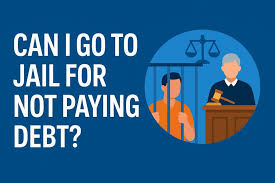
The phone calls grow more threatening. “Pay what you owe, or we’ll have you arrested.” Letters arrive with ominous language about legal consequences. If you are behind on bills, these tactics can trigger genuine fear about whether unpaid debt might actually land you behind bars.
The short answer is no. You cannot go to jail simply for failing to pay credit cards, medical bills, personal loans, or other consumer debts. Debtor’s prisons were abolished in the United States nearly two hundred years ago, and owing money to creditors is strictly a civil matter, never a criminal one.
But the full answer carries important nuance. While the debt itself cannot send you to jail, certain debt-related actions and court procedures can theoretically create criminal exposure. Understanding this distinction protects you from unnecessary fear while helping you respond appropriately to collection threats.
Why Debtors Prisons No Longer Exist
The United States outlawed imprisonment for debt through federal law in 1833, and every state followed with similar protections. The fundamental principle is simple: being poor or unable to pay bills is not a crime.
This protection covers all ordinary consumer debts including credit cards, medical bills, personal loans, auto loan deficiencies, and collection accounts of any kind. No matter how large the amount, the debt itself cannot result in criminal prosecution or imprisonment.
Any debt collector who threatens you with arrest for simply owing money is violating federal law. The Fair Debt Collection Practices Act explicitly prohibits threats of actions that cannot legally be taken. Collectors who make these threats can be sued for damages, and successful plaintiffs can recover up to $1,000 in statutory damages plus actual damages and attorney fees.
How Court Proceedings Create Potential Risk
While you cannot be jailed for the debt itself, ignoring court proceedings related to debt collection can theoretically lead to arrest for contempt of court. This distinction matters enormously.
When creditors sue you for unpaid debt, they file cases in civil court. You receive a summons requiring you to respond or appear. Ignoring this summons does not directly result in arrest, but it allows the creditor to win a default judgment against you.
After obtaining a judgment, creditors may request “debtor examinations,” court hearings where you must appear and answer questions under oath about your assets and income. Courts issue orders requiring your appearance. These are court commands, not mere creditor requests.
If you ignore a court order to appear for debtor examination, the judge can issue a bench warrant for contempt of court. The contempt is for defying the court’s order, not for owing money. But the practical result is that failing to show up for required proceedings can theoretically lead to arrest.
Child Support: The Major Exception
Child support represents the one area where unpaid debt can actually result in incarceration. However, this is not imprisonment for debt in the traditional sense, but rather contempt for violating court orders to financially support your children.
Family courts order parents to pay child support. Willful failure to pay when you have the ability to do so can result in contempt findings. Courts can impose jail as a sanction for contempt, with release typically contingent on payment.
The key word is “willful.” Courts distinguish between those who genuinely cannot pay due to unemployment, disability, or other inability and those who deliberately choose not to pay despite having resources. True inability to pay is not contempt. Refusal to pay despite ability is contempt.
Tax debts also carry different rules. Failing to pay taxes you owe is technically a crime, though actual jail time for tax debt is extremely rare and typically reserved for massive evasion cases involving fraud.
When Debt Becomes Criminal
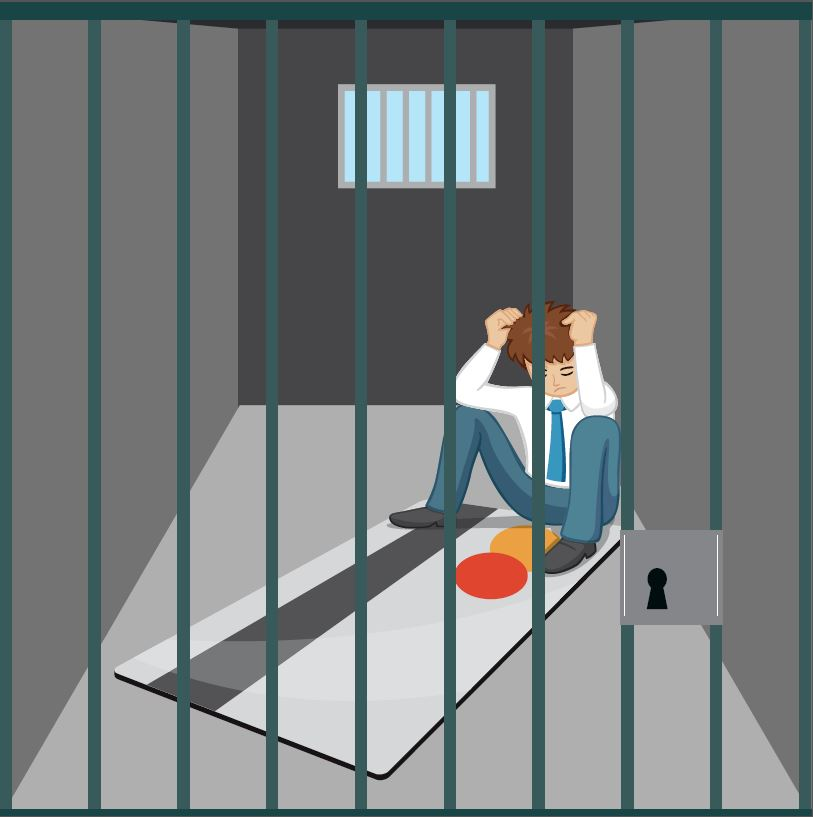
Certain debt-related behaviors can cross into criminal territory, though the crime is the specific behavior, not merely the owing of money.
Writing bad checks can be prosecuted as fraud if you knew the account lacked sufficient funds when you wrote the check. This is not imprisonment for debt but prosecution for fraud. The crime is the deception, not the debt.
Obtaining goods or services through deliberate false statements can constitute criminal fraud. Lying on credit applications, misrepresenting ability to pay, or making purchases you never intended to pay for may potentially be prosecuted criminally.
The key distinction is intent. Ordinary inability to pay, even for extended periods, is never criminal. Deliberate deception to obtain money or goods is criminal.
What to Do If Collectors Threaten Arrest
If a debt collector threatens you with arrest, take specific steps to protect yourself.
First, recognize that the threat itself violates federal law. The collector is breaking the law, not you. The Fair Debt Collection Practices Act prohibits false or misleading representations, including threats of arrest that cannot legally happen.
Document the threat completely. Note the date, time, collector’s name, company, and exact language used. Save voicemails and letters. This documentation becomes evidence if you decide to sue.
Report violations to the Consumer Financial Protection Bureau at consumerfinance.gov and your state attorney general’s office. Regulatory agencies investigate patterns of abuse and can take enforcement action.
Consider consulting a consumer attorney. Many offer free consultations and take FDCPA cases on contingency, meaning you pay nothing unless you win. Successful plaintiffs can recover up to $1,000 in statutory damages plus actual damages and attorney fees.
Responding to Court Proceedings
If you receive actual court documents, not just collector threats, respond appropriately. Ignoring a lawsuit leads to default judgment, which opens the door to wage garnishment, bank levies, and other enforcement actions.
If you cannot afford an attorney, at minimum show up on your court date. Explain your situation to the judge and request time to prepare or ask about legal aid resources.
Filing for bankruptcy immediately stops all collection activity through the “automatic stay”. This halts lawsuits, garnishments, and creditor contact. Consulting a bankruptcy attorney can help you understand whether this option makes sense.
The Bottom Line
Owing money is not a crime. You cannot go to jail for failing to pay credit cards, medical bills, or other consumer debts. Debtor’s prisons have been illegal for nearly two centuries.
However, ignoring court orders, failing to pay child support despite ability, or engaging in fraud to obtain money can create criminal exposure. The key is distinguishing between the debt itself and your response to legal proceedings.
If collectors threaten arrest, recognize those threats as illegal and document them. If you receive court papers, respond rather than hiding. And if you genuinely cannot pay, explore options like bankruptcy that provide legal protection without criminal consequences.
Your debt is a financial problem, not a criminal one. Approach it with that understanding, and you will navigate collection efforts more effectively and with far less fear.




Leave a Reply