
The concept sounds almost too good to be true: pay a few hundred dollars, get added as an authorized user on a stranger’s credit card with a perfect twenty-year history, and watch your credit score jump fifty or even one hundred points practically overnight. In a world where building credit traditionally takes years of disciplined payments, the promise of a shortcut is incredibly seductive.
This practice, often called “buying tradelines,” “renting credit,” or “piggybacking,” has exploded in popularity, fueled by social media influencers and companies that openly broker these arrangements. But just because something is possible doesn’t mean it’s wise. For every person claiming a quick score boost, there are lenders, regulators, and burned consumers warning of significant dangers lurking beneath the surface.
What Does It Mean to Buy or Rent Credit?
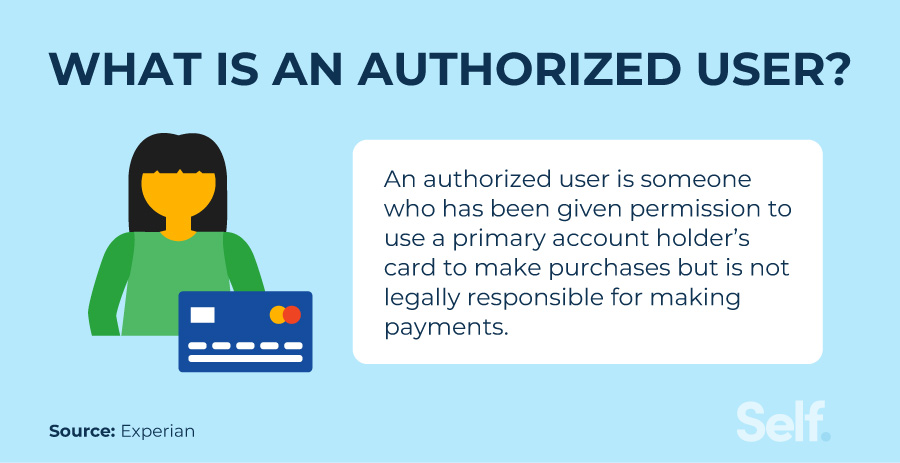
In a traditional authorized user scenario, a primary cardholder adds someone they know—a spouse, child, or close friend—to their credit card account. This is a legitimate way to help a loved one build credit, as the account’s positive history often appears on the authorized user’s credit report.
Buying or renting credit takes this concept and commercializes it. Instead of a favor from a family member, it’s a transaction with a complete stranger. The process typically works through a tradeline broker:
- A consumer with poor or limited credit pays a broker a fee, which can range from $100 to well over $1,500 depending on the age and credit limit of the account.
- The broker matches the consumer with a credit card holder who has an excellent, well-established account and is willing to “rent” out their creditworthiness for a fee.
- The consumer is added as an authorized user to that stranger’s credit card account. They usually do not receive or use the physical card.
- After a few months, the consumer is removed from the account. The hope is that during that time, the positive tradeline has been reported to the credit bureaus, artificially inflating the buyer’s credit score.
The Allure: Why People Do It
The appeal is obvious. For someone with a thin credit file or a low score, the boost can be dramatic. Experts suggest that individuals with no credit history could see a jump of 50 to 250 points in one to three months by adding a strong, seasoned tradeline. This can feel like a golden ticket to qualifying for a mortgage, a car loan, or a premium credit card that would otherwise be out of reach.
Proponents also point to the fact that, technically, the practice is not explicitly illegal. This legal gray area gives some consumers the confidence to try it, believing it’s a loophole in the system rather than a fraudulent act.
The Dark Side: Significant Risks You Need to Know
While buying credit might offer a temporary boost, the risks are substantial and can have long-lasting consequences.
1. The “Bank Fraud” Danger
This is the most serious risk. When you apply for credit with an artificially inflated score, you are essentially misrepresenting your creditworthiness to a lender. Credit bureaus and financial experts warn that this could be construed as bank fraud. If a lender discovers that your impressive credit history is based on purchased tradelines from strangers, they can deny your application. In extreme cases, they could pursue legal action for fraud. As one Experian representative noted, the practice walks a fine line that could lead to accusations of illegally misrepresenting your financial health.
2. The FTC and Regulatory Crackdown
The Federal Trade Commission (FTC) has taken a very dim view of this practice. In 2019, the FTC halted a scheme called Grand Teton Professionals, which had bilked consumers out of at least $6.2 million by selling “tradelines” and making false promises about credit improvement. The following year, the FTC filed charges against another company for selling “piggybacking” services, stating that it had “never determined that credit piggybacking is legal” and that the practice does not fall within the protections of the Equal Credit Opportunity Act. These actions demonstrate that regulators see this not as a harmless hack, but as a deceptive practice targeting vulnerable consumers.
3. It Might Not Even Work
There is no guarantee you will get the score boost you paid for. Several factors can derail the plan:
- Issuer Policies: Some credit card issuers have policies against reporting authorized user activity for accounts where the user has no genuine relationship to the primary cardholder, or they may have caught on to the practice and refuse to report it.
- Scoring Model Changes: Newer credit scoring algorithms, like FICO 10T and VantageScore 4.0, are designed to be smarter. They can analyze trends and may place less weight on authorized user accounts, especially if the rest of your credit history doesn’t match up. A sudden, unexplained boost from a stranger’s account can be a red flag.
- The Account’s Management Could Change: You have zero control over the stranger whose credit you’re renting. If they suddenly max out the card or miss a payment, that negative activity could appear on your credit report, doing more harm than good.
4. Scams and Identity Theft
To be added as an authorized user, you must provide sensitive personal information, including your full name, address, date of birth, and Social Security number, to a broker and a complete stranger. This creates a massive vulnerability to identity theft. Unscrupulous operators can easily use your information for fraudulent purposes, leaving you with a financial nightmare far worse than a low credit score.
5. High Cost for a Temporary Fix
The fees for a single tradeline can be exorbitant, sometimes costing nearly as much as an average household’s monthly rent. Furthermore, the benefit is often temporary. If the purchased account is removed from your report, or if the lender’s algorithms flag it, your score could drop just as quickly as it rose, leaving you with nothing to show for your investment but a lighter wallet.
The Safer, Smarter Alternative
If you need to build credit, the most effective and sustainable path is to do it yourself. This puts you in complete control and builds a financial foundation that lenders will actually trust.
- Become an authorized user the right way: Ask a trusted family member or close friend with good credit to add you to their account. This is the original, legitimate form of piggybacking and carries far less risk because it’s based on a real relationship.
- Open a secured credit card: These cards require a refundable security deposit that acts as your credit limit. They are designed for people with limited or poor credit and, when used responsibly, are a proven method for building a positive history.
- Use a credit-builder loan: Offered by banks, credit unions, and online platforms, these loans hold the money you borrow in a savings account while you make payments. Once the loan is paid off, you get the money back, and all your on-time payments have been reported to the credit bureaus.
- Report your bills: Services like Experian Boost can add your on-time utility, phone, and streaming payments to your credit file, giving you credit for expenses you’re already paying.
The Bottom Line
The question “Should you be an authorized user?” has two very different answers. If it means helping or getting help from a trusted loved one, the answer can be a resounding yes. But if it involves paying a stranger to “rent” their credit history, the answer is a firm no.
The promise of a quick fix is tempting, but the risks of buying credit tradelines—fraud accusations, regulatory action, identity theft, and wasted money—far outweigh any temporary benefit. Building genuine, sustainable credit takes time and discipline, but the score you build will be a true reflection of your financial health, not a mirage that can disappear at any moment.





Leave a Reply