
There is a persistent myth in personal finance that simply checking your own credit score will somehow make it go down. This misconception stops many Americans from monitoring their credit health regularly, leaving them unaware of errors or fraudulent activity until it is too late. The truth is far less scary and far more empowering. Understanding the difference between a hard inquiry and a soft inquiry is the key to taking control of your financial reputation without fear.
The short answer to the question on your mind is this: checking your own credit does not lower your score. In fact, financial experts and the major credit bureaus encourage consumers to review their credit reports frequently. But to understand why this is true, you need to understand how credit inquiries work and why lenders use them.
What Exactly Is a Credit Inquiry?
A credit inquiry, sometimes called a credit check, occurs when someone requests to view your credit report from one of the three major credit bureaus: Equifax, Experian, or TransUnion. This can happen for many reasons. You might be applying for a mortgage, or a credit card company might be considering whether to send you a pre-approved offer. Your future employer might check your credit as part of a background check, or a utility company might want to determine your security deposit amount.
Every time any of these events occur, it leaves a mark on your credit report. These marks are called inquiries, and they fall into two distinct categories: hard inquiries and soft inquiries. The difference between them determines whether your credit score is affected.
Soft Inquiries: The Invisible and Harmless Checks
A soft inquiry, sometimes called a soft pull, occurs when your credit is checked for reasons that do not involve a formal application for new credit. These inquiries are everywhere in modern financial life, and most consumers never even notice them happening.
When you check your own credit score through a free service like Credit Karma, through your bank’s mobile app, or by requesting your annual credit report from AnnualCreditReport.com, you generate a soft inquiry. This is the most common example, and it is completely harmless to your score.
Soft inquiries also happen when credit card companies check your credit to pre-approve you for offers they might mail to you. They occur when insurance companies review your credit to set your premiums, when landlords screen rental applications, and when employers perform background checks with your permission. Even when your existing creditors periodically review your accounts to manage your credit limit or offer you promotional rates, they are performing soft inquiries.
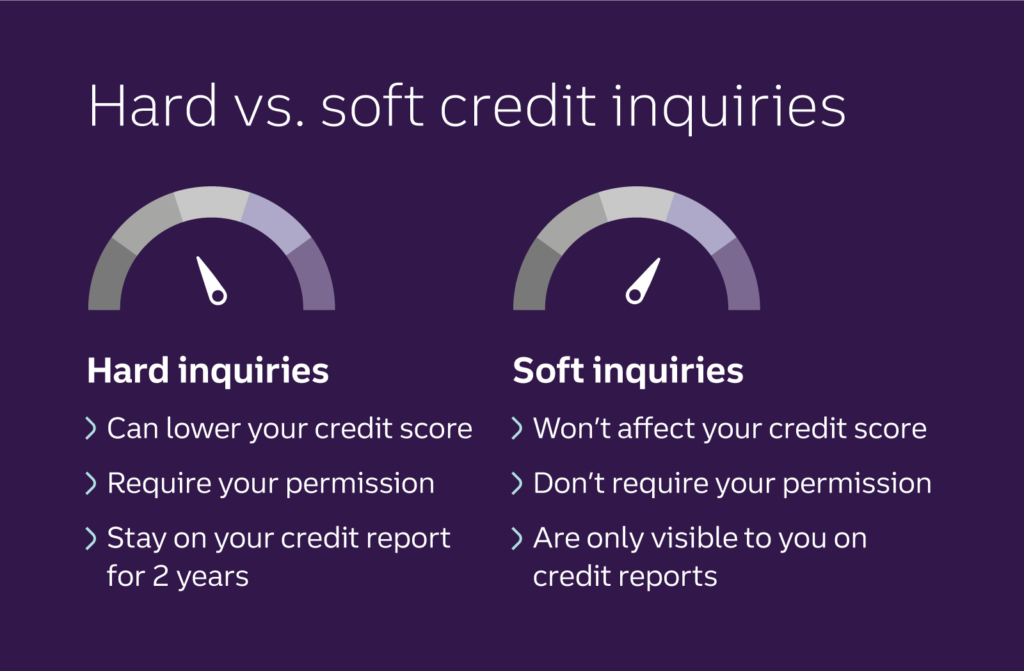
The defining characteristic of a soft inquiry is that it does not affect your credit score in any way whatsoever. You could check your own credit every single day for a year, and your score would not drop by a single point as a result. Soft inquiries are visible to you when you view your credit reports, but they are not visible to lenders who check your credit later. They exist purely for informational and background purposes.
Hard Inquiries: The Ones That Actually Matter
Hard inquiries, also known as hard pulls, are a different story. These occur when a lender reviews your credit report because you have formally applied for new credit. Every time you submit an application for a credit card, a mortgage, an auto loan, a personal loan, or even a student loan, you authorize the lender to perform a hard inquiry.
Hard inquiries serve an important purpose. They give lenders a complete picture of your financial situation so they can make an informed decision about whether to lend to you and on what terms. Because these inquiries are directly tied to your pursuit of new debt, credit scoring models treat them as indicators of potential risk.
A hard inquiry typically remains on your credit report for two years. However, the impact on your credit score is temporary and diminishes over time. Most scoring models only consider hard inquiries from the past twelve months when calculating your score. After that first year, they stop affecting your score even though they remain visible on your report.
How Much Does a Hard Inquiry Actually Hurt?
The fear surrounding hard inquiries is often out of proportion to their actual impact. For most people with established credit histories, a single hard inquiry will lower their credit score by fewer than five points. In many cases, the drop may be barely noticeable, if it happens at all.
The effect can be slightly more pronounced for people with shorter credit histories or fewer accounts. If you are new to credit and have only one credit card, a hard inquiry represents a larger proportional change to your file than it would for someone with a twenty-year credit history and multiple accounts. Even in these cases, the impact is still minor compared to factors like late payments or high credit utilization.
What really matters is the pattern of inquiries over time. If you apply for several credit cards within a short period, each generating its own hard inquiry, the cumulative effect can be more significant. Multiple inquiries in a short timeframe signal to lenders that you might be desperate for credit or planning to take on more debt than you can handle.
The Important Exception: Rate Shopping
There is one situation where multiple hard inquiries do not hurt you the way you might expect. When you are shopping for the best rate on a mortgage, an auto loan, or a student loan, you may apply with several different lenders within a short period. Credit scoring models are designed to recognize this behavior for what it is: responsible rate shopping, not a credit-seeking spree.
The major scoring models treat multiple inquiries for the same type of loan as a single inquiry, provided they occur within a focused window. For FICO scores, this window is typically fourteen to forty-five days, depending on the version of the scoring model being used. VantageScore uses a similar approach. This means you can shop around for the best auto loan rate without worrying that five different dealers checking your credit will destroy your score.
This rate shopping protection applies specifically to auto loans, mortgages, and student loans. It does not apply to credit card applications. If you apply for five different credit cards in two weeks, each one will count as a separate hard inquiry, and your score will reflect that activity.
Why Checking Your Own Credit Matters
Now that you understand the difference between hard and soft inquiries, you can see why checking your own credit is not only safe but essential. The Consumer Financial Protection Bureau and the Federal Trade Commission recommend that consumers check their credit reports regularly. Thanks to a permanent extension of a pandemic-era program, you can currently access your credit reports from each of the three major bureaus for free once per week at AnnualCreditReport.com.
Regular monitoring helps you spot errors that could be dragging down your score. A 2023 study found that one in four consumers identified an error on their credit report that could impact their score. Catching these mistakes early gives you the chance to dispute them before they cost you money on a loan or insurance premium.
Monitoring also helps you detect identity theft. If you see a hard inquiry from a lender you do not recognize, it could mean someone else is applying for credit in your name. Spotting this early allows you to place a fraud alert or security freeze on your credit before the damage spreads.
Practical Takeaways for Protecting Your Score
The bottom line is that you should never hesitate to check your own credit. Whether you use a free app, log into your bank account, or request your official reports from the bureaus, you are engaging in a healthy financial habit that carries no risk to your score.
When you are ready to apply for new credit, be strategic. Limit applications to those you genuinely need. If you are buying a car or a house, do your rate shopping within a concentrated timeframe to take advantage of the scoring models’ protections. And if you see a hard inquiry you do not recognize, contact the lender and the credit bureau immediately to investigate.
Understanding the difference between hard and soft inquiries transforms credit monitoring from something scary into something empowering. Your credit score is a tool that works for you, and checking it regularly ensures that tool stays accurate and reflects your true financial responsibility.





Leave a Reply