

Unlock Credit Utilization Demystified: The ‘Golden Ratio’ to Boost Your Score Fast
Your credit score can feel like a mysterious number that moves up and down for reasons you cannot quite understand. You pay your bills on time, yet the score does not seem to budge. If this sounds familiar, there is a good chance you are overlooking the single most controllable factor in your credit profile: your credit utilization ratio. While payment history gets most of the attention, utilization is the silent powerhouse that can deliver rapid results when you understand how it works.
The concept is simple, yet most Americans get it wrong. Credit utilization measures how much of your available credit you are actually using at any given time. Think of it like a measuring stick for financial restraint. Lenders want to see that you have access to credit but exercise the wisdom not to use every dollar available to you. When you master this ratio, you unlock one of the fastest paths to a higher score.
Understanding the Mathematics of Your Score
Before diving into strategy, it helps to understand exactly how much weight utilization carries in your credit score calculation. The FICO model, used by ninety percent of top lenders, assigns thirty percent of your score to what it calls “amounts owed.” This is essentially your credit utilization ratio across all your revolving accounts . Only payment history, at thirty-five percent, matters more .
The VantageScore model, which powers many free credit monitoring services, actually places even more emphasis on utilization, weighing it at forty-one percent of your score . This means that for some lenders and scoring models, how much you owe matters almost as much as whether you pay on time.
What makes utilization particularly powerful is its responsiveness. Unlike payment history, which requires months or years of consistent behavior to build, utilization can change literally overnight. When you pay down a balance and your credit card issuer reports the new lower balance to the bureaus, your score can reflect that improvement within days.
The Golden Ratio That Actually Moves the Needle of Credit Utilization
You have probably heard the common advice to keep your credit utilization below thirty percent. This is not wrong, but it is also not the whole story. The thirty percent threshold represents the point at which utilization begins to have a noticeably negative effect on your score. Crossing above thirty percent signals to lenders that you may be overextended .
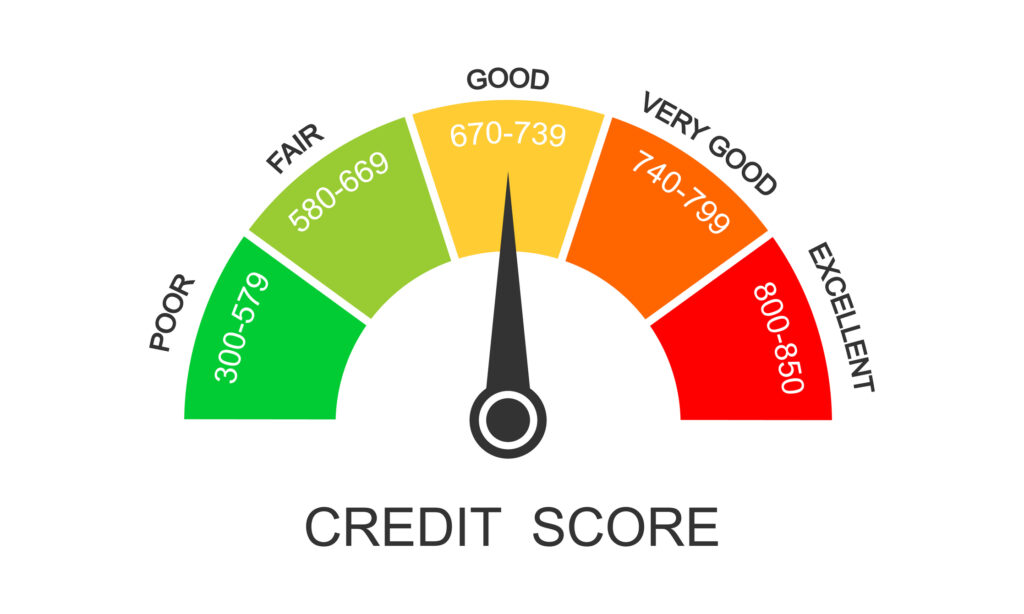
However, the consumers with the very highest credit scores, those above eight hundred, typically maintain utilization in the single digits . Research consistently shows that a utilization rate between one and nine percent is the true sweet spot for score optimization . There is even evidence that zero percent utilization, while not harmful, may score slightly lower than one percent because the algorithms want to see that you can use credit responsibly without carrying significant debt .
The golden ratio for rapid score improvement, therefore, is not thirty percent but rather ten percent. Keeping your total revolving balances under ten percent of your total available credit is the target that will move your score most efficiently. For example, if you have ten thousand dollars in total credit card limits across all your cards, you want your total reported balances to stay below one thousand dollars.
The Timing Trick Most Borrowers Miss About Credit Utilization
Here is where the strategy gets interesting and where many well-intentioned consumers accidentally hurt their scores. Credit utilization is not calculated based on your balance at the time you pay your bill. It is based on the balance reported by your credit card issuer to the credit bureaus, which typically happens on your statement closing date .
If you carry a balance of two thousand dollars on a card with a five thousand dollar limit, pay it off in full on the due date, and then feel good about your responsibility, you may still have a problem. If your issuer reported your balance to the bureaus on the statement date before you paid, your credit report likely showed forty percent utilization for that entire cycle .
The solution is to understand your statement closing date and pay your balance down before that date, not just before the due date. Many issuers allow you to view your statement closing date online or through their mobile app. By making a payment a few days before this date, you ensure that the balance reported to the bureaus is as low as possible .
Some credit optimizers use a strategy called the fifteen-three method. This involves making one payment fifteen days before the statement closing date and another payment three days before. While this level of precision may be overkill for most consumers, the principle stands: pay early, pay often, and understand your reporting schedule .
Increasing Your Limits to Lower Your Ratio
There are two ways to improve your utilization ratio. You can reduce the amount you owe, which is the obvious and financially healthier approach. Or you can increase your total available credit, which is the strategic approach that requires no additional cash.
Requesting a credit limit increase from your existing card issuers can instantly lower your utilization ratio. If you have a five thousand dollar balance on a ten thousand dollar limit, your utilization is fifty percent. If the issuer increases your limit to fifteen thousand dollars, that same five thousand dollar balance now represents only thirty-three percent utilization .
Before making this request, ask the issuer whether they will perform a hard inquiry on your credit report. Many issuers can grant increases based on your existing relationship with them using a soft inquiry, which does not affect your score . Even if a hard inquiry dings your score by a few points temporarily, the long-term benefit of lower utilization often outweighs this minor and temporary drop.
The key is to request these increases strategically and not to view them as an invitation to spend more. Using newly available credit to rack up additional debt defeats the entire purpose and can spiral into financial trouble.
What the New Scoring Models Mean for You
The credit scoring landscape has evolved significantly heading into 2026. Newer models like FICO 10T and VantageScore 4.0 now incorporate something called trended data . Instead of taking a snapshot of your utilization at one moment, these models look at your behavior over the past twenty-four months.
This means that consistently carrying high balances month after month will hurt you more than it would have under older scoring models, even if you pay down your balances right before applying for a major loan. The algorithms now see the pattern, not just the point-in-time photograph .
For the strategic borrower, this reinforces the importance of maintaining low utilization consistently throughout the year, not just in the months leading up to a mortgage application. The goal is to curate a twenty-four month trend line that shows responsible credit use and declining balances over time .
On the positive side, new tools have emerged that allow consumers to get credit for bills they already pay. Experian Boost and similar services can incorporate utility, phone, and even streaming payments into your credit file, potentially improving your score without any change in your spending habits .
Common Mistakes That Sabotage Your Progress
Even with the best intentions, borrowers often make errors that undermine their utilization strategy. One of the most common is closing old credit cards after paying them off. While it feels satisfying to close an account you no longer use, doing so reduces your total available credit and raises your overall utilization ratio .
If you close a card with a ten thousand dollar limit and carry balances on other cards, your utilization percentage instantly increases even though you have not spent an additional dollar. Unless the card carries an annual fee you cannot justify, keeping it open with a zero balance serves your credit score well.
Another mistake is assuming that all debt is treated equally. Credit utilization calculations apply specifically to revolving debt, meaning credit cards and lines of credit. Installment loans like mortgages, auto loans, and student loans are factored into your credit mix but do not affect your utilization ratio the same way . Focusing your debt repayment efforts on credit card balances rather than installment loans will produce faster score improvement.
Putting It All Together
Mastering your credit utilization ratio is the single most effective way to influence your credit score in a short timeframe. While building a perfect payment history takes years, lowering your reported balances can yield results in as little as thirty days .
Start by checking your current utilization across all your credit cards. If you are above thirty percent on any card, that card should become your priority for payment. If you are above thirty percent overall, consider both paying down balances and requesting credit limit increases to bring your ratio down.
Remember that the magic number for top-tier scores is below ten percent, not just below thirty percent. And always pay attention to statement closing dates, not just due dates, to ensure the balances reported to credit bureaus reflect your best financial picture. Your credit score is a tool, not a mystery. Understanding how utilization works gives you the power to use that tool effectively and open doors to better interest rates, higher approval odds, and greater financial flexibility.





Leave a Reply