
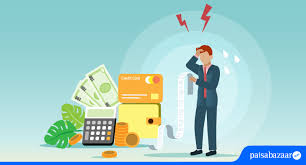
Getting approved for a credit card when your credit is less than perfect feels like a victory. After months or years of denials, finally holding that plastic in your hands can trigger a sense of relief that makes you want to celebrate. But that celebration carries danger. The very cards designed for those with bad credit come with features that can trap you in a debt spiral if you do not approach them with extreme caution.
The difference between using a bad credit card as a tool for rebuilding and falling into a deeper financial hole comes down to understanding exactly how these cards work and committing to habits that protect you from their sharpest edges.
Why Bad Credit Cards Are Different
Cards marketed to people with poor credit operate on a fundamentally different model than the rewards cards you see advertised on television. Issuers take on higher risk by approving applicants with damaged credit, and they offset that risk through higher fees and interest rates.
Annual fees on bad credit cards frequently run $35 to $99 or more, even for cards with very low credit limits. A card with a $300 limit and a $75 annual fee starts with twenty-five percent of your available credit eaten before you make a single purchase.
Interest rates on these cards often exceed 25% APR and can approach 30% or higher in some cases. At 29.99% APR, a $500 balance costs nearly $150 in interest annually if you only make minimum payments. The math works against you from the start.
Some cards also charge monthly maintenance fees, application fees, or fees for exceeding your credit limit. These charges can add up quickly, especially if you are not tracking your account closely.
The combination of low credit limits and high fees creates a perfect storm for high credit utilization. If your card has a $300 limit and you incur a $75 annual fee, your utilization starts at twenty-five percent before you charge anything. Add a $50 purchase, and you are at forty-two percent utilization, well into the danger zone for your credit score.
The Debt Spiral Explained
Understanding how credit card debt spirals out of control helps you recognize the warning signs before they become crises.
The spiral begins with an unexpected expense. Your car needs repairs, or you have a medical bill, or you simply run short between paychecks. You put the expense on your card, planning to pay it off next month.
Next month arrives, but so do other expenses. You make the minimum payment, maybe a little more, but the balance remains. Interest accrues at 25% or higher, adding to what you owe. The minimum payment barely covers the interest, so the principal barely moves.
Meanwhile, your credit utilization stays high because your limit is low. Your credit score drops, making it harder to qualify for better cards with lower rates. You feel trapped in the card you have, unable to escape because your score prevents access to better options.
This spiral has swallowed millions of borrowers. It starts with one seemingly manageable decision and compounds through high interest and low limits until the debt feels insurmountable.
Rule One: Treat It Like a Debit Card
The single most important rule for using a bad credit card responsibly is to treat it exactly like a debit card. If the money is not in your bank account right now, you do not spend it on credit.
This rule sounds simple, but it requires a mental shift away from how credit cards are marketed. Advertisements show credit cards as tools for buying what you want now and paying later. For someone with bad credit, “paying later” means paying 25% interest later, which turns affordable purchases into long-term burdens.
Before every purchase, ask yourself: would I swipe my debit card for this if my credit card did not exist? If the answer is no, do not put it on credit.
The exception to this rule is true emergencies, but define “emergency” narrowly. A car repair needed to get to work counts. A new outfit for a party does not. Be honest with yourself about the difference between needs and wants.
Rule Two: Pay the Statement Balance Every Month
Paying your statement balance in full every month is the only way to avoid interest charges entirely. Credit cards offer a grace period between your purchase date and your due date. If you pay the full statement balance by the due date, you pay zero interest on those purchases.
This grace period disappears if you carry any balance from month to month. Once you start paying interest, every new purchase begins accruing interest immediately, with no grace period at all. This is called the “trailing interest” or “residual interest” trap, and it catches many cardholders by surprise.
To avoid this trap, set up automatic payments for the full statement balance from a bank account you maintain. If you cannot afford to pay the full balance, you cannot afford to keep the purchase. That is the hard truth of bad credit card economics.

Rule Three: Keep Utilization Below 30% (Preferably Lower)
Your credit utilization ratio measures how much of your available credit you use at any given time. With a low-limit card, keeping utilization low requires constant attention.
If your limit is $300, keeping utilization below thirty percent means keeping your reported balance under $90. A single restaurant meal for two could push you over that threshold. A grocery run definitely will.
The solution requires paying attention to your statement closing date, not just your payment due date. Your issuer reports your balance to the credit bureaus on your statement closing date. If you pay your balance down before that date, you can keep reported utilization low even if you spend more throughout the month.
Consider making multiple payments each month rather than waiting for the statement. Some cardholders pay weekly to ensure their balance never gets too high. This approach requires more attention but protects your score from utilization spikes.
Rule Four: Never Make Only the Minimum Payment
Credit card statements show a “minimum payment due” amount, usually around one to three percent of your balance. This number is designed to keep you in debt as long as possible while collecting maximum interest.
Consider a $500 balance on a card with 25% APR. Making only the minimum payment of $25 per month would take over two years to pay off and cost more than $150 in interest. That $500 purchase ends up costing over $650.
The minimum payment exists to benefit the issuer, not you. If you cannot pay the full statement balance, pay as much above the minimum as you possibly can. Every dollar above the minimum goes directly to reducing principal and shortening your repayment timeline.
Rule Five: Watch Fees Like a Hawk
Bad credit cards often come with fees that can catch you off guard if you are not paying attention. Annual fees hit once per year, but some cards charge monthly fees that add up quickly.
Some cards charge fees for exceeding your credit limit. With a low limit, accidentally going over is easier than you might think. A pending charge that posts after you thought you had available credit can trigger these fees.
Foreign transaction fees add three percent or more to purchases made outside the United States. If you travel or buy from international websites, these fees eat into your purchasing power.
Read your cardholder agreement thoroughly and note every potential fee. Set up alerts on your phone to remind you of annual fee dates so you are not surprised when they post.
Rule Six: Monitor Your Credit Progress
Using a bad credit card responsibly should improve your credit over time. Tracking that progress keeps you motivated and alerts you to problems early.
Most bad credit cards offer free credit score access as a cardholder benefit. Check your score monthly and note the trend. If your score is not rising after six months of responsible use, investigate why. There may be errors on your credit report or other factors you need to address.
Set a goal for graduation. Many bad credit cards, especially secured cards, offer paths to better products after twelve to eighteen months of responsible use. When you qualify for a card with better terms, you can leave the high-fee card behind.
Rule Seven: Have an Exit Strategy
Your bad credit card should be temporary. From the day you open it, you should be working toward the day you no longer need it.
That exit strategy involves building your credit to the point where you qualify for a standard unsecured card with no annual fee and reasonable interest rates. Once approved, you have choices about what to do with your original card.
If your bad credit card has no annual fee, keeping it open adds to your available credit and contributes to your account age, both of which help your score. If it charges an annual fee, closing it after obtaining better cards makes financial sense.
Before closing any card, ensure your new card is fully established and reporting to the credit bureaus. Give yourself a buffer month to confirm everything works correctly before cutting ties with your old card.
Real Signs You Are Heading Toward the Spiral
Even with good intentions, you can drift toward the debt spiral without realizing it. Watch for these warning signs.
If you find yourself checking your available credit before making purchases to see if you can afford something, you are living too close to your limit. Available credit should not determine your spending decisions; your bank account balance should.
If you are carrying a balance from month to month and only paying the minimum, you are in the spiral. Interest is compounding against you, and your debt is growing even if the dollar amount looks stable.
If you have multiple bad credit cards and struggle to track payment dates across all of them, you are at risk of missed payments that will compound your credit problems.
If you use one credit card to make payments on another, you are in emergency territory. This “credit card arbitrage” almost always ends in default.
The Bottom Line
Using a bad credit card responsibly requires more discipline than using a premium card with high limits and low rates. The features that make these cards accessible, low limits and high fees, also make them dangerous for anyone who does not approach them with extreme care.
The path to success involves treating the card like a debit card, paying the full balance every month, keeping utilization low, avoiding minimum payments, watching fees, monitoring progress, and always working toward graduation to better products.
Your bad credit card is a tool, not a solution. It can help you rebuild, but only if you control it rather than letting it control you. With the right habits, you can use it to climb out of the bad credit category and into a financial future with more options and fewer fees.




Leave a Reply