

Finding yourself with a low credit score can feel like being locked out of the financial system. It is a frustrating paradox: you need credit to build credit, but your score prevents you from getting approved for the very tools that could help you improve it. If your FICO score has dipped below 670, you are officially in the “bad credit” range, and your options will be different from someone with excellent credit. However, the situation is far from hopeless. In 2026, there are still several excellent pathways to rebuilding your financial health. The key is knowing which card to choose and understanding that this is not about finding a flashy rewards card, but about selecting a strategic tool for repair.
The market for credit cards for bad credit is broadly divided into two main categories: secured cards and unsecured cards. Each serves a different purpose and comes with its own set of trade-offs. For most people, secured cards are the superior choice because they offer a lower cost of entry and a clearer path to financial recovery. However, for those who cannot afford a security deposit or need to borrow immediately, there are unsecured options available, though they often come with higher fees.
The Undisputed Champion: Secured Credit Cards
If you have bad credit and you have a bit of cash set aside, a secured credit card is almost always your best bet. These cards function exactly like a standard credit card—they are accepted everywhere, they report your payment history to the credit bureaus, and they help you build a positive credit profile. The only difference is that they require a refundable security deposit, which typically acts as your credit limit. For example, if you put down a $200 deposit, you will have a $200 spending limit. This minimizes the risk for the bank, making them willing to approve applicants they would otherwise reject.
The undisputed leader in this space for 2026 is the Discover it® Secured Credit Card. This card is frequently rated as the best credit card for bad credit because it defies the norms of the secured card market. It does not just help you build credit; it rewards you for doing so. With this card, you earn 2% cash back at gas stations and restaurants on up to $1,000 in combined purchases each quarter, and 1% cash back on all other purchases. Even more impressively, Discover offers a Cashback Match at the end of your first year, effectively doubling all the cash back you have earned. It has no annual fee, and after just seven months of responsible use, Discover will begin automatically reviewing your account to see if you qualify to transition to an unsecured line of credit and have your deposit returned. This seamless graduation path is exactly what you want in a rebuilding card.
Another excellent contender is the Capital One Platinum Secured Credit Card. Capital One is known for its accessibility, and this card is ideal for those who may not have a large sum of money to tie up in a deposit. Depending on your creditworthiness, you may be approved with a deposit as low as $49, $99, or $200 to receive an initial $200 credit line. Like the Discover card, it carries a $0 annual fee and reports to all three major credit bureaus, which is the essential function of any good credit-building tool.
For those who prefer the personalized service and lower rates of a local institution, credit unions are a hidden gem. For example, Oklahoma’s Credit Union (OKCU) offers a Secured Credit Card with a remarkably low APR of 10.99%, no annual fee, and no balance transfer fee. While you need to be a member to apply, local credit unions often provide some of the most consumer-friendly terms available for credit cards for bad credit.
The Alternative Route: Unsecured Cards for Bad Credit
If you cannot afford a security deposit or you need access to credit immediately without fronting the cash, unsecured cards are the alternative. However, it is crucial to approach this category with open eyes. These cards do not require a deposit, so the lender takes on more risk. To compensate for that risk, they charge higher fees and interest rates.
For those who need a no-deposit option, the Credit One Bank® Platinum Visa® for Rebuilding Credit is often cited as a top pick. It offers a minimum credit line of $300 and provides 1% cash back on eligible purchases like gas, groceries, and mobile phone services. It reports to all three major credit bureaus, helping you build credit with on-time payments. However, it comes with an annual fee of $75 the first year and $99 after that, along with a high variable APR. If you go this route, it is vital to pay your balance in full each month to avoid the steep interest charges eating away at your finances.
Newer models are also emerging to challenge the high-fee structure of traditional unsecured cards. The Atlas Credit Card offers a modern approach, with no annual fee, a $0 one-time fee, and a simple monthly fee of $8.99. It boasts a high approval rate by focusing on identity verification and bank account linkage rather than just a credit score. Similarly, the OneMain Financial BrightWay® Card is a solid option for those seeking an unsecured line with rewards, offering 1% cash back on all purchases with a $0 to $89 annual fee.
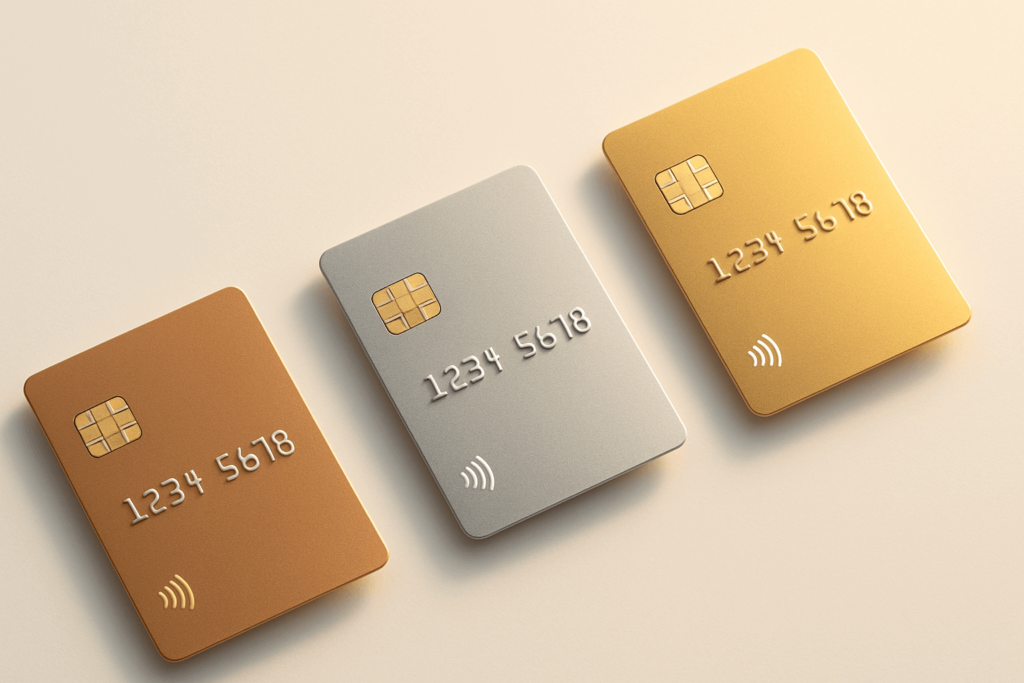
How to Choose the Right Card for Your Situation
With so many options available, selecting the right card comes down to your personal financial reality. The first step is to be brutally honest about your ability to pay off your balance. All credit cards for bad credit carry high interest rates, often hovering around 36%. If you carry a balance from month to month, the cost of the card will skyrocket, and you may actually dig yourself into a deeper hole.
If you have a small amount of savings, the choice is clear: go with a secured card. The Discover it® Secured offers the best long-term value with its rewards and clear graduation path. If your savings are minimal, the Capital One Platinum Secured offers a low barrier to entry.
If you have zero savings for a deposit and need a card for emergencies or to build a payment history, then look at the unsecured options like Credit One Platinum or Atlas, but treat them with caution. Before applying, always check if the issuer offers a pre-approval tool. This allows you to see if you qualify without a hard inquiry hurting your score.
Regardless of which card you choose, the rules for success are universal. Use the card for small, recurring purchases like a streaming service or a tank of gas. Pay the statement balance in full and on time every single month. By doing so, you will gradually add positive information to your credit reports, lower your credit utilization ratio, and eventually graduate to the mainstream, low-interest cards that reward you for your financial discipline.




Leave a Reply