
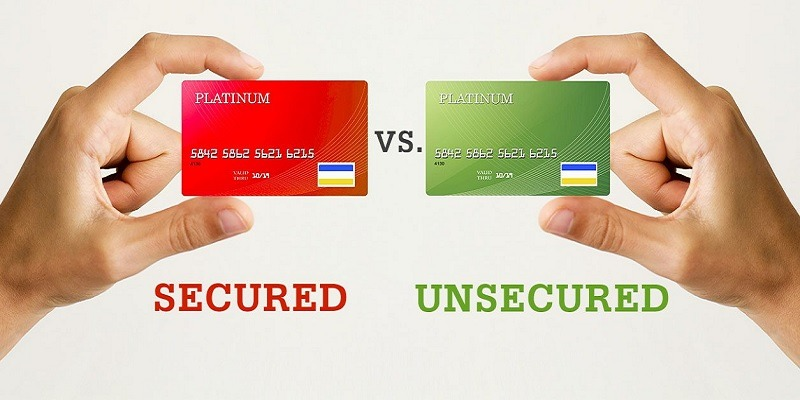
You walk into the credit card aisle, metaphorically speaking, and face a fundamental choice: secured or unsecured? The names themselves offer little guidance. One sounds safe and protected. The other sounds like… well, the opposite. But in the world of credit, these terms carry specific meanings that determine everything from approval odds to long-term financial growth.
For the average American trying to build or rebuild credit, understanding the difference between secured and unsecured cards is the first step toward making the right choice. Both can help you achieve your goals, but they serve different people at different stages of their financial journey.
The Core Difference: Collateral
The fundamental distinction between secured and unsecured cards comes down to one word: collateral.
A secured credit card requires a cash deposit that serves as collateral for the issuer. If you fail to pay, the issuer keeps your deposit to cover the debt. Your credit limit is typically equal to your deposit, meaning a $500 deposit gives you a $500 spending limit. This deposit protects the issuer from losses, which is why secured cards are easier to qualify for.
An unsecured credit card requires no deposit. The issuer lends you money based solely on your promise to repay, backed by your credit history and income. If you default, the issuer must pursue collection efforts without any collateral to seize. This higher risk for the issuer means unsecured cards have stricter approval requirements.
Approval Requirements
For secured cards, approval is generally accessible to almost anyone. You need to meet basic identity and age requirements, provide a Social Security number or ITIN, and have the cash for the deposit. Even those with bankruptcy, collections, or no credit history at all can typically qualify. Discover, Capital One, and other major issuers offer secured cards with no credit check required for consideration.
For unsecured cards, approval depends on your credit profile. Premium rewards cards require good to excellent credit, typically 690 or higher. Basic unsecured cards for fair credit may approve scores in the 580 to 660 range, but approval is never guaranteed. The issuer evaluates your payment history, credit utilization, income, and existing debt before making a decision.
Credit Limits
Secured card limits are directly tied to your deposit. You choose how much to deposit within the issuer’s allowed range, typically $200 to $2,500 or more. This gives you control over your limit, but it also ties up your cash. A $1,000 limit requires $1,000 sitting in an account you cannot access while the card is open.
Unsecured card limits are determined by the issuer based on your creditworthiness. Someone with excellent credit might receive a $10,000 limit on their first unsecured card. Someone with fair credit might start with $300 to $1,000. You do not need to tie up any cash, but you also have no control over the initial limit.
Fees and Interest Rates
Secured cards from major issuers often have no annual fee. Discover it Secured and Capital One Quicksilver Secured both charge $0 annually. Interest rates on secured cards tend to be higher than premium unsecured cards but comparable to basic unsecured cards, typically ranging from 20% to 26% APR.
Unsecured cards vary wildly. Premium cards for excellent credit may have no annual fee and rates as low as 16% to 22%. Cards for fair or rebuilding credit often charge annual fees of $35 to $99 and interest rates exceeding 25%. Some unsecured cards designed for subprime borrowers charge monthly maintenance fees on top of annual fees.
Rewards and Benefits
Secured cards increasingly offer rewards. Discover it Secured earns 2% cash back at gas stations and restaurants on up to $1,000 in combined purchases quarterly. Capital One Quicksilver Secured offers unlimited 1.5% cash back on all purchases. These rewards match what many unsecured cards offer.
Unsecured cards offer the widest range of rewards. Premium travel cards provide points for flights and hotels, lounge access, and statement credits. Cash back cards range from 1.5% flat rate to 5% rotating categories. Store cards offer discounts at specific retailers. The best unsecured cards far exceed anything available on secured cards.
The Graduation Path
Secured cards offer a unique feature: graduation. After six to twelve months of responsible use, many issuers automatically review your account for conversion to an unsecured card. Your deposit returns, your credit limit may increase, and you keep the same account history. Discover begins reviewing at seven months; Capital One starts at six months.
Unsecured cards do not graduate because they start unsecured. However, you can request credit limit increases over time, and your account ages positively on your credit report. Some unsecured cards may allow product changes to different cards within the same issuer family, such as moving from a basic card to a rewards card.
Who Each Card Serves
Secured cards serve specific populations. Those with no credit history benefit from the guaranteed approval and ability to establish a file. Those rebuilding after bankruptcy or collections find secured cards accessible while they demonstrate new responsible habits. Those with low income who cannot risk unexpected debt appreciate the deposit limiting their spending.
Unsecured cards serve anyone who qualifies. Those with established credit enjoy rewards, higher limits, and better terms. Those with fair credit can find starter unsecured cards that help them continue building. Those with excellent credit access premium products that maximize value.
The Decision Framework
How do you choose between secured and unsecured? Ask yourself three questions.
Can you get approved for an unsecured card? Use pre-approval tools from Discover, Capital One, and other issuers to check your odds without hurting your credit. If multiple pre-approvals come back positive, an unsecured card may be within reach.
Do you have the cash for a deposit? Secured cards require tying up funds. If $200 to $500 would strain your emergency savings, consider whether you can afford to lock away that money.
What is your timeline? If you need to build credit quickly for a mortgage or other major purchase, a secured card’s guaranteed approval and clear graduation path may be worth the deposit. If you have time to wait, seeking unsecured approval first preserves your cash.
The Hybrid Option
Some cards blur the lines. The Capital One Quicksilver Secured, for example, may approve applicants with a deposit as low as $49 depending on credit profile, rather than requiring the full limit upfront. This “partially secured” model reduces the cash requirement while still protecting the issuer.
Credit-builder loans and secured loans from institutions like Self offer another path, combining installment credit with savings components. These products report to credit bureaus while helping you build savings simultaneously.
The Bottom Line
Secured and unsecured credit cards are not competitors; they are stages in a journey. Secured cards provide the on-ramp for those not yet ready for the highway. Unsecured cards offer more lanes and faster speeds for those who have proven themselves.
For the average American starting or rebuilding credit, a secured card from a major issuer with no annual fee and a clear graduation path is often the smartest choice. You trade temporary access to your cash for guaranteed approval and a structured path to better products.
For those already in good standing, unsecured cards offer rewards, higher limits, and no cash tie-up. The choice depends entirely on where you are today and where you want to go tomorrow.
Whichever you choose, the fundamentals remain the same: pay on time, keep balances low, and let time do its work. The card is just a tool; your habits determine the outcome.





Leave a Reply