
Focus Keyword: Soft pull credit limit increase
You need more available credit. Maybe your spending has increased, or you want to lower your credit utilization ratio to boost your score. The obvious solution is requesting a credit limit increase from your current card issuer. But fear stops you: won’t that request trigger a hard inquiry and temporarily drop my score?
The answer depends entirely on how you ask and which issuer you ask. Understanding the difference between hard and soft pulls for credit limit increases can help you access more credit while keeping your score intact.
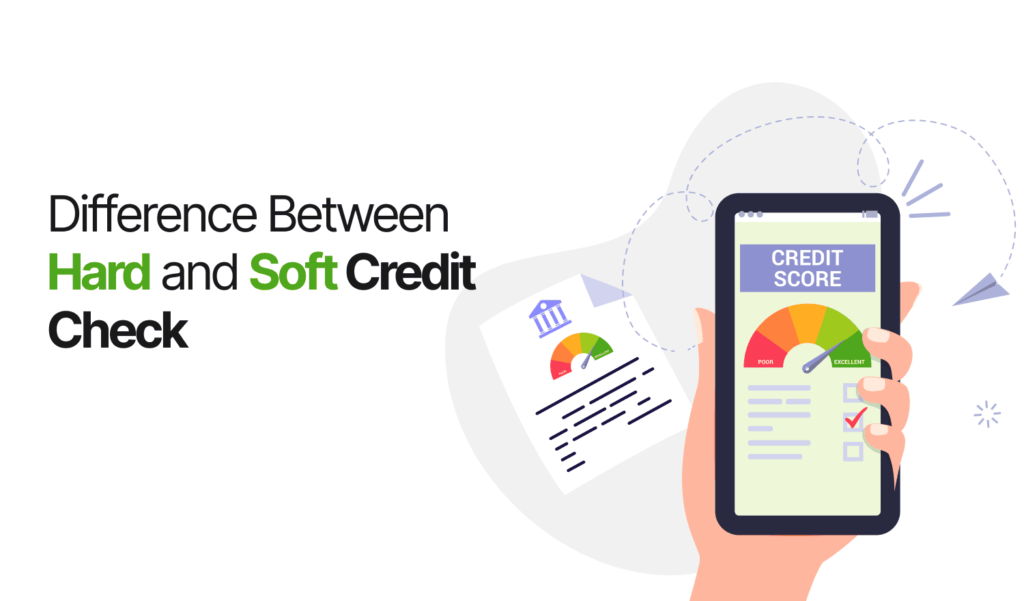
The Hard Pull vs. Soft Pull Distinction
When you apply for any new credit, the lender performs a hard inquiry on your credit report. This inquiry typically lowers your score by three to seven points and remains visible to other lenders for two years, though its scoring impact fades after twelve months.
Soft inquiries, by contrast, have no impact on your score whatsoever. These occur when you check your own credit, when lenders pre-approve you for offers, or when existing creditors review your account for management purposes.
For credit limit increases, some issuers use hard pulls, some use soft pulls, and some use either depending on how you request the increase. Knowing which category your issuer falls into can save you from unnecessary score damage.
Why Soft Pull Increases Are So Valuable
The benefit of a soft pull increase extends beyond avoiding a temporary score drop. A higher credit limit achieved through a soft pull instantly lowers your credit utilization ratio, which accounts for 30% of your FICO score. This double benefit—gaining more available credit without paying any scoring penalty—makes soft pull increases one of the most efficient credit optimization strategies available.
Consider a card with a $5,000 limit and a $2,000 balance, giving you 40% utilization. A soft pull increase to $8,000 drops your utilization to 25% without any hard inquiry cost. Your score can reflect this improvement as soon as the new limit is reported.
Issuers That Typically Use Soft Pulls
Many major issuers offer soft pull credit limit increases, though policies can change and individual circumstances may affect outcomes.
American Express is famous for offering soft pull increases through their “Request Credit Limit Increase” button in online accounts. Amex cardholders can request increases with no hard inquiry, though they will review your payment history and income information.
Capital One generally uses a soft pull for credit limit increase requests, though they may occasionally perform a hard pull depending on your account history and the amount requested.
Discover typically uses soft pulls for credit limit increase requests from existing cardholders. They review your account history and credit profile internally without pulling a new credit report.
Citi often uses soft pulls for credit limit increases, though like Capital One, larger requests may trigger a hard inquiry.
Bank of America may use either depending on the request. Some cardholders report soft pulls, while others experience hard inquiries.
Chase is generally considered more likely to use a hard pull for credit limit increases. Cardholders should be cautious when requesting increases from Chase.
The Step-by-Step Strategy
To maximize your chances of a soft pull increase while minimizing risk, follow this strategic approach.
Step 1: Check your online account. Most issuers have a “Request Credit Limit Increase” button or link in your account settings or services menu. Starting the request through this channel rather than calling customer service increases the likelihood of a soft pull.
Step 2: Look for disclosures. Before submitting any request, carefully read the fine print. If the page mentions a “credit check” or “inquiry” without specifying “soft,” proceed with caution. Some issuers disclose that submitting the request constitutes permission for a hard pull.
Step 3: Have your income ready. Regardless of pull type, issuers will ask for your current annual income. Be honest and include all verifiable income you can reasonably access.
Step 4: Submit the request. If the process seems designed for a soft pull, proceed. Most issuers provide instant decisions online.
Step 5: If approved, monitor your credit. Check your credit reports or monitoring service to confirm that no hard inquiry appears. If a hard inquiry does appear and you were not notified, you may have grounds to dispute it with the issuer.
When to Avoid Requesting Increases
Even with soft pull potential, certain timing can work against you. Avoid requesting increases in these situations.
If you have recently missed a payment on any account, wait at least six months before requesting. Issuers review your payment history with them, and recent misses will likely result in denial.
If your income has decreased significantly, wait until it stabilizes. Issuers want to see ability to repay higher limits.
If you have recently opened several new accounts, your credit profile looks riskier temporarily. Waiting a few months improves your odds.
If you are planning a major credit application like a mortgage within the next few months, consider whether even a soft pull inquiry is worth any potential change to your credit file.
What to Do If You Get a Hard Pull
If your issuer performs a hard pull despite your expectations, the damage is usually minor and temporary. A single hard inquiry typically drops scores by fewer than five points and stops affecting scoring after 12 months.
However, if you were explicitly promised a soft pull and received a hard pull, you can contact the issuer’s customer service and request that they remove the inquiry. Success varies, but it is worth attempting.
The Automatic Increase Alternative
Many issuers grant automatic credit limit increases without any request at all. These reviews happen periodically based on your account history, payment patterns, and overall credit profile.
Automatic increases are always soft events because the issuer is reviewing your existing relationship, not pulling new credit. To position yourself for automatic increases, use your card regularly, pay on time, and keep your reported balances low relative to your limit.
Capital One, Discover, and American Express are particularly known for automatic reviews that can result in higher limits without any action on your part.
The Bottom Line
Requesting credit limit increases through soft pull channels offers one of the best risk-reward ratios in credit optimization. You gain higher available credit, which lowers your utilization and can boost your score, all without the temporary penalty of a hard inquiry.
The strategy requires knowing your issuer’s typical practices, using online request channels, and reading disclosures carefully. When in doubt, ask customer service before submitting any request: “If I request a credit limit increase, will you perform a hard inquiry or a soft inquiry on my credit report?”
With the right approach, you can gradually increase your available credit over time, building a stronger credit profile with every approved request. Your score will thank you.





Leave a Reply