
You have decided to rebuild your credit, and now you face a choice between two very different paths. On one side, store cards beckon with instant discounts and promises of easier approval. On the other, secured cards require upfront cash but offer a more traditional route to credit health. Both can help you build credit, but they work in fundamentally different ways and carry very different risks.
Understanding these differences matters because the choice you make today will affect how quickly you rebuild, how much it costs you, and whether you end up with a tool that serves you or a trap that sets you back. Let us break down exactly how store cards and secured cards compare for credit rebuilding in 2026.
How Store Cards Work for Credit Building
Store credit cards, also known as retail cards, are issued by specific retailers and often come with perks tied to that store. Some are closed-loop cards that work only at the issuing retailer, while others are co-branded with Visa or Mastercard and accepted anywhere those networks are honored.
The primary appeal for credit builders is easier approval. Retailers want you to shop at their stores, so they may approve applicants who would not qualify for traditional credit cards. A store card with a low credit limit can help you establish payment history if the issuer reports your activity to all three credit bureaus.
However, store cards come with significant drawbacks. Interest rates often run well above 25% to 30%, making them expensive if you ever carry a balance. Credit limits tend to be low, sometimes just $300 to $1,000 even for creditworthy applicants, which makes it easy to drive up your credit utilization ratio and hurt your score.
Some store cards also feature deferred interest promotions that sound like 0% APR but actually charge interest retroactively if you do not pay the full balance by the deadline. This trap catches thousands of consumers who think they are getting free financing.
How Secured Cards Work for Credit Building
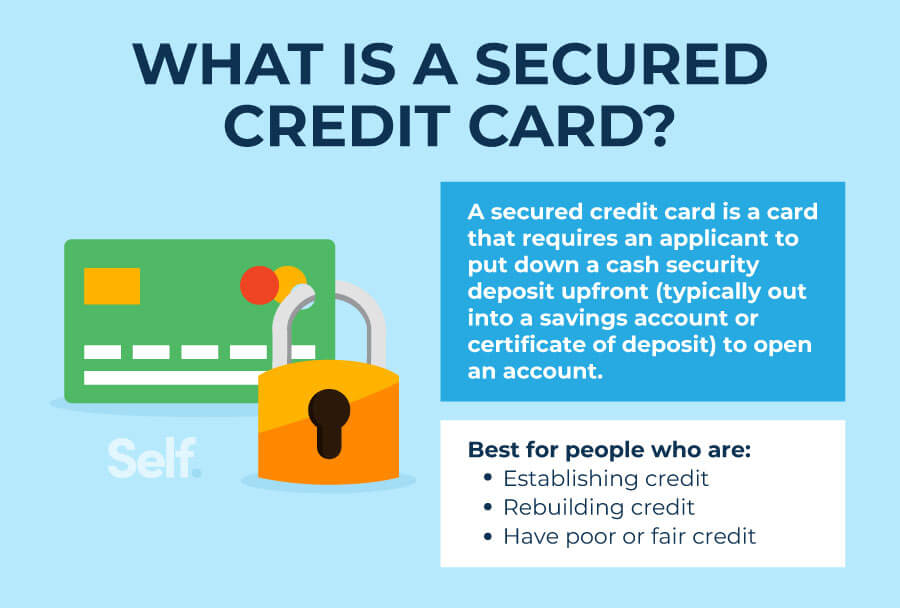
Secured credit cards operate on a completely different model. You provide a refundable cash deposit, typically between $200 and $500, and that deposit becomes your credit limit. The deposit protects the issuer, which allows them to approve applicants with poor or no credit history.
Unlike store cards, secured cards from major issuers function like regular credit cards. You can use them anywhere, they report to all three credit bureaus, and many now offer cash back rewards. The Discover it Secured Card, for example, offers 2% cash back at gas stations and restaurants and matches all cash back earned during your first year.
The security deposit requirement serves as both a barrier and a benefit. You need cash upfront, which can be challenging if money is tight. But that same deposit prevents you from spending more than you can afford, acting as a natural spending limit.
Most importantly, secured cards offer a clear path forward. After six to twelve months of responsible use, many issuers graduate your account to an unsecured card and return your deposit. This transition marks real progress in your credit rebuilding journey.
Comparing the Two for Credit Building
When evaluating store cards vs secured cards for rebuilding credit, several factors determine which tool serves you better.
Approval requirements favor store cards slightly. Both are accessible to people with limited credit, but some store cards may approve applicants that secured card issuers would reject. However, easier approval means nothing if the card does not help you build credit effectively.
Reporting to credit bureaus matters equally for both. Most store cards and secured cards report your payment activity, which means responsible use of either type builds positive history. The key is confirming before applying that the issuer reports to all three bureaus.
Credit limits typically favor secured cards because you control the limit through your deposit. If you can deposit $1,000, you get a $1,000 limit. Store cards often impose lower limits regardless of your financial situation, which makes keeping utilization low more difficult.
Interest rates clearly favor secured cards from major issuers. While both charge higher rates than premium unsecured cards, store card APRs frequently exceed 25% and sometimes approach 30%. Secured cards from Discover, Capital One, and similar issuers offer rates that, while still high, rarely reach those extremes.
Long-term value heavily favors secured cards. Store cards keep you tied to one retailer and offer limited ongoing benefits. Secured cards build toward graduation to unsecured cards with better rewards and higher limits, creating lasting financial progress.
The Credit Utilization Trap with Store Cards
One danger of store cards deserves special attention because it catches even responsible users. Low credit limits make it shockingly easy to hurt your credit utilization ratio, which accounts for thirty percent of your FICO score.
If your store card has a $300 limit and you spend $150 on holiday gifts, your utilization hits fifty percent before you realize what happened. That high utilization can drop your credit score significantly, undermining the very progress you sought by opening the card.
Secured cards with higher limits, made possible by larger deposits, give you breathing room. A $1,000 limit lets you spend $300 while staying under thirty percent utilization. That flexibility matters for both your score and your peace of mind.
The Graduation Path
Perhaps the most significant difference between these options lies in where they lead. Store cards generally do not graduate into anything better. You keep the same card with the same limited usefulness indefinitely.
Secured cards offer a proven path forward. After demonstrating responsible use for six to twelve months, many issuers automatically review your account for graduation to an unsecured card. Your deposit returns, your credit limit may increase, and you gain access to better rewards and benefits.
This graduation represents genuine financial progress. You started with training wheels, proved you could ride safely, and earned the right to a real credit card. Store cards offer no equivalent milestone.
The Store Card Exception: When They Make Sense
Store cards are not universally bad for credit building. In specific situations, they can play a useful role.
If you are a frequent shopper at a particular retailer, the ongoing discounts and rewards may provide real value. The Target Circle Card offers 5% off all Target purchases, which adds up for regular shoppers. The Amazon Prime Store Card provides 5% back at Amazon and Whole Foods.
If you cannot qualify for any secured card, a store card may represent your only option. Some retailers approve applicants that traditional secured card issuers decline, giving you a foothold when other doors are closed.
If you combine a store card with responsible habits, using it only for planned purchases and paying in full each month, it can contribute positive payment history to your credit file.
Making the Right Choice for Your Situation
So which should you choose? The answer depends on your specific circumstances and goals.
Choose a secured card if you have the upfront deposit available and want the clearest path to long-term credit health. Secured cards from major issuers like Discover, Capital One, and Citi offer reliable reporting, reasonable terms, and clear graduation opportunities. They function like normal credit cards while you build, preparing you for the unsecured products you will eventually qualify for.
Consider a store card if you lack the cash for a security deposit, if you are a dedicated shopper at a specific retailer, or if you have been denied for secured cards and need any starting point available. Just go in with eyes open about the high rates, low limits, and limited long-term value.
Avoid store cards entirely if you might carry a balance, if you are tempted by deferred interest promotions, or if you already struggle with overspending. The combination of high rates and easy credit creates dangerous conditions for those still developing financial discipline.
The Bottom Line
Store cards and secured cards can both help rebuild credit when used responsibly. Both report to credit bureaus, both require disciplined use, and both offer easier approval than traditional unsecured cards.
But secured cards provide a superior foundation for most credit builders. They offer higher potential limits, clearer graduation paths, and fewer traps for the unwary. The upfront deposit requirement, while challenging, also protects you from accumulating debt you cannot repay.
Store cards work best as supplements rather than foundations. If you shop regularly at a retailer anyway, adding their card to your wallet can provide discounts and another positive tradeline. But relying on store cards as your primary rebuilding tool leaves you with limited options and slower progress.
Whichever path you choose, the fundamentals remain the same. Pay every bill on time. Keep your balances low. Monitor your credit regularly. And remember that rebuilding credit is a marathon, not a sprint. The card you choose is just a tool; your habits determine whether that tool builds or destroys.





Leave a Reply