
The promise sounds almost too good to be true: a credit card that approves you without ever looking at your credit history. For the millions of Americans with damaged credit or no credit file at all, these offers appear as lifelines in a financial desert. Advertisements boast approval rates above ninety percent, instant decisions, and the chance to finally build a credit score from scratch.
But as with most financial products that target vulnerable consumers, the truth about no credit check credit cards requires a closer look. Some of these cards deliver exactly what they promise: a legitimate path to credit building with reasonable costs. Others hide behind marketing claims while charging fees that would make a payday lender blush. Understanding the difference protects your wallet and your financial future.
What No Credit Check Actually Means
The term “no credit check” creates an impression that the issuer does not evaluate you at all before handing over a line of credit. In reality, these cards simply use different criteria to make their approval decisions.
Traditional credit card applications trigger a hard inquiry on your credit report, which gives the lender access to your FICO or VantageScore along with your complete credit history. No credit check cards skip this step entirely or use only a soft inquiry that does not affect your score.
Instead of evaluating your creditworthiness, these cards look at other factors. Some require you to link a bank account and demonstrate sufficient income or cash flow to cover your charges. Others function more like prepaid cards dressed in credit card clothing, requiring you to fund an account before you can spend. A few issuers simply take on more risk in exchange for higher fees, betting that enough customers will pay those fees to offset any losses from defaults.
The key insight is that “no credit check” does not mean “no risk evaluation.” It means the issuer evaluates you differently, and that difference often comes with trade-offs.
The Two Main Types of No Credit Check Cards
Not all no credit check cards work the same way. Understanding the distinctions helps you recognize which category a card falls into before you apply.
Secured Cards with No Credit Check
Some secured credit cards offer approval without a credit check while still requiring a refundable security deposit. The OpenSky Secured Visa, for example, guarantees approval with no credit check and a minimum deposit of $200. Your deposit becomes your credit limit, giving the issuer complete protection against losses.
These cards function exactly like traditional secured cards. They report your payment activity to all three credit bureaus, helping you build credit with responsible use. The difference lies entirely in the application process, which removes the credit inquiry barrier for those who fear rejection.
The OpenSky card charges a $35 annual fee, which is higher than many competitors that do perform credit checks. You are essentially paying for the guaranteed approval and the absence of a hard inquiry on your credit report.
Fee-Based Unsecured Cards with No Credit Check
A newer category has emerged in recent years: unsecured cards that approve applicants without credit checks but charge significant fees for the privilege. The Atlas Credit Card, issued by Patriot Bank, exemplifies this model.
Atlas boasts a 95% approval rate and requires no credit check or minimum income. Applicants need only verify their identity and link a bank account. The card offers features typically found on premium products: 0% APR, up to 10% cash back on eligible purchases, and benefits like cell phone protection and rental car insurance.
The catch is the fee structure. Atlas charges $8.99 every four weeks, which amounts to approximately $116 per year, or an $89 annual plan if you prepay. This fee is nearly five times the average credit card annual fee of $23.75. For a card with no interest charges, the issuer makes money entirely from these membership fees.
User reviews reveal a mixed picture. Many customers report significant credit score improvements, with some seeing increases of 55 to 100 points. Others complain about poor customer service, unexpected charges, and accounts being closed without clear explanations. One reviewer reported that Atlas sent a $13 debt to collections after account cancellation.
Credit Builder Programs with Cards
Some companies combine no credit check cards with broader credit building programs. The Self Visa Secured Card operates differently from traditional secured cards. It pairs a credit builder loan with a secured credit card, allowing you to build credit through both installment and revolving accounts simultaneously.
The application requires no credit check, but you must meet income and expense requirements. The card carries a 27.49% variable APR and charges an annual fee that is waived the first year. For those willing to navigate a more complex product, the dual reporting structure can accelerate credit building.
The Legitimate Appeal: Why These Cards Exist
No credit check cards fill a genuine need in the marketplace. Millions of Americans cannot access traditional credit cards because they lack credit history, have damaged scores, or face other barriers. For these consumers, the choice may be between a no credit check card and no credit card at all.
Building credit requires having credit accounts that report to the bureaus. If you cannot qualify for any other product, a no credit check card that reports your payments becomes a valuable tool. The OpenSky card, for example, has helped over 1.6 million cardholders build credit, with two out of three users seeing an average increase of 47 points after six months.
For those who need to make online purchases, book travel, or handle expenses that require a credit card, these products provide functionality that debit cards cannot match. Rental car bookings and hotel reservations often require credit cards, making access to any card better than none at all.
The Financial Trap: When Costs Outweigh Benefits
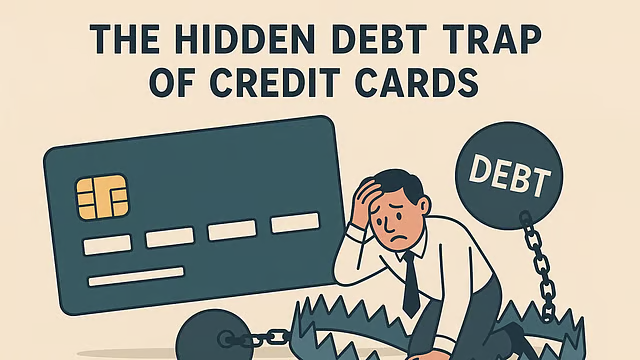
The darker side of no credit check cards emerges when fees consume a significant portion of your available credit or when the product does not actually help you build credit.
A card with a $200 credit limit and an $89 annual fee starts with nearly half your available credit eaten before you make a single purchase. If you carry that card for two years, you have paid $178 for the privilege of using $200 of someone else’s money. This math rarely works in your favor.
Some cards marketed as “no credit check” turn out to be prepaid cards that do not report to credit bureaus at all. The Neo Money Card, for example, offers no-fee prepaid access with cash back rewards but explicitly states that it will not help you build credit. If you apply hoping to improve your score, you will be disappointed.
Customer service complaints also raise red flags. The Atlas card, despite its high ratings on some platforms, has generated numerous complaints about slow support, unauthorized charges, and accounts being closed without explanation. When your only point of contact is app-based and response times stretch to days, resolving disputes becomes nearly impossible.
How to Evaluate Whether a No Credit Check Card Makes Sense
Before applying for any no credit check card, ask yourself three specific questions that separate worthwhile products from financial traps.
First, does the card report to all three credit bureaus? If the answer is no, the card cannot help you build credit regardless of how responsibly you use it. This information should be clearly stated in the card’s terms or FAQ section.
Second, what are the total annual costs expressed as a percentage of your credit limit? A card with a $200 limit and $89 in annual fees costs you 44.5% of your available credit each year before you spend a dime. Compare this to a secured card with a $200 deposit and no annual fee, which costs zero beyond the temporarily tied-up funds.
Third, is there a clear path to graduation? The best credit building cards offer opportunities to transition to unsecured products with better terms after demonstrating responsible use. Cards that keep you trapped in a fee structure indefinitely deserve extra scrutiny.
Better Alternatives Worth Considering
Before committing to a no credit check card, explore whether you qualify for products that offer better terms with only slightly higher barriers to entry.
Secured cards from major issuers often approve applicants with limited or damaged credit while performing only a soft inquiry or a hard inquiry that matters little if you are not approved elsewhere. The Discover it Secured Card charges no annual fee, offers cash back rewards, and automatically reviews accounts for graduation after seven months. The Capital One Quicksilver Secured provides unlimited 1.5% cash back with no annual fee and may approve you with a deposit as low as $49 depending on your credit profile.
Credit union products frequently offer more favorable terms than mainstream cards. Many credit unions provide secured cards with lower fees and a more personalized approach to underwriting.
If your goal is simply building credit and you have cash available, credit builder loans from institutions like Self can establish payment history without the complexity of a credit card.
The Bottom Line
No credit check credit cards occupy a complicated space in the financial landscape. Some provide legitimate pathways to credit building for those with no other options. Others exploit vulnerable consumers with high fees and questionable practices.
The OpenSky Secured Visa offers a straightforward value proposition: pay a $35 annual fee in exchange for guaranteed approval and credit bureau reporting. For those who cannot get approved elsewhere, this may represent a reasonable trade-off.
The Atlas Credit Card presents a more complex calculation. Its $89 annual fee buys you 0% APR and rewards that could potentially offset the cost if you spend heavily in bonus categories. But the mixed customer service reviews and reports of unexpected account closures introduce risk that extends beyond dollars and cents.
Before applying, exhaust your alternatives. Check pre-approval tools from major issuers that use soft inquiries. Consider secured cards with no annual fees. Investigate credit union options. If those paths lead nowhere, approach no credit check cards with eyes wide open, understanding exactly what you pay and what you receive in return.
Your credit journey matters too much to entrust to products that may charge you more for progress than the progress itself is worth.





Leave a Reply